
5 Signs You Need Professional Painting Services
You spot peeling paint, recurring blisters, or brown stains and think a quick coat will fix it—but moisture or damaged substrates may be lurking. You’re also unsure about lead paint, those two-story walls, a tight move-in date, or a finish that must look flawless. Cut corners here and you risk safety, time, and results. Watch for these five signs it’s time to call a pro—and why it protects your home.
Lead Paint and Other Safety Risks
Even if your walls look harmless, old coatings can hide serious hazards—especially lead in homes built before 1978. Disturbing lead paint releases toxic dust that threatens kids, pets, and you.
A certified pro tests surfaces, sets up containment, uses HEPA filtration, and follows EPA RRP rules to keep dust controlled and dispose of waste legally.
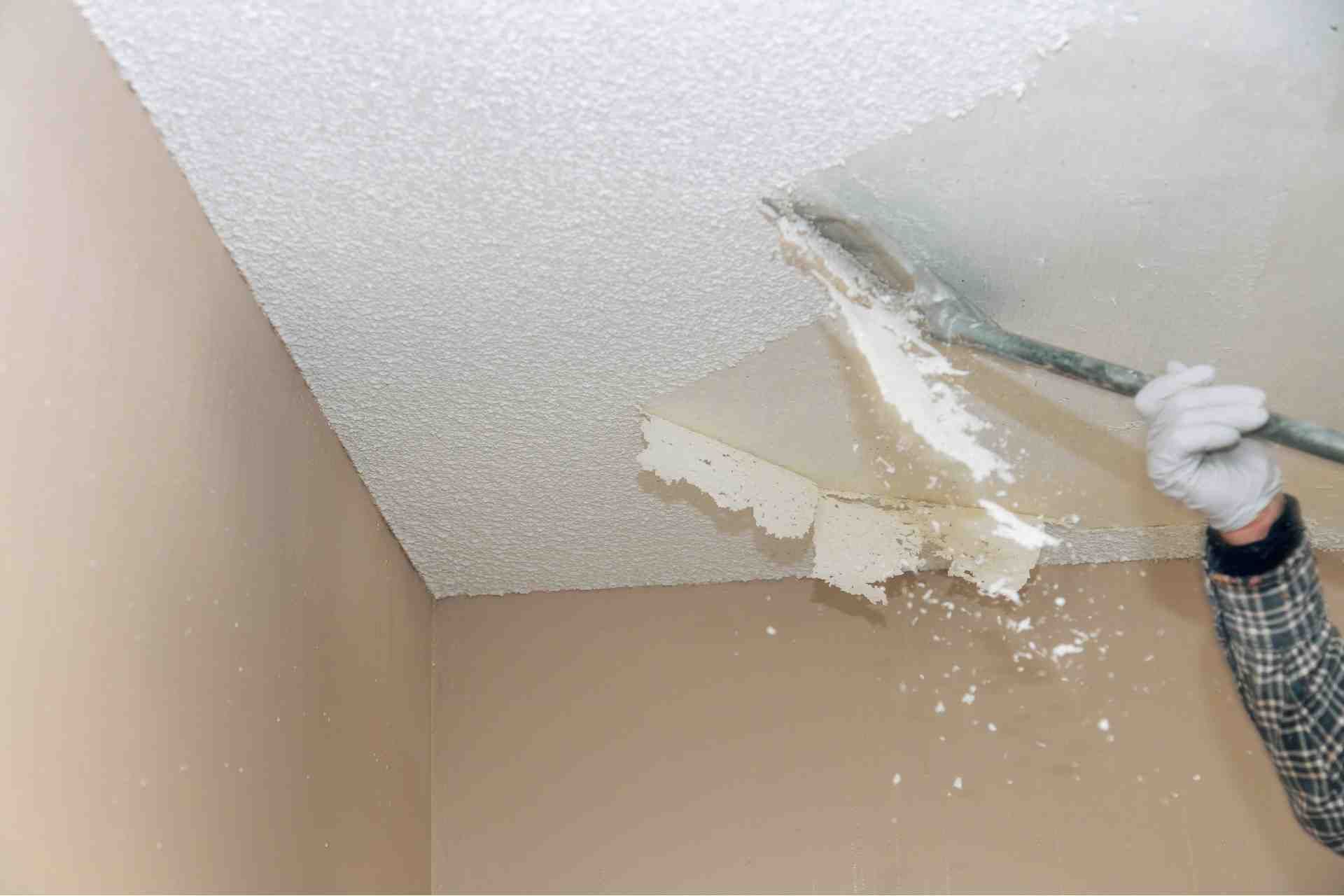
You also face other risks: asbestos in popcorn ceilings or joint compounds, mold on damp substrates, and high-VOC products that off-gas for days.
Pros know when to send samples to a lab, choose safer low-VOC systems, and stage the job to maintain ventilation and negative air.
They bring respirators, protective suits, and documented procedures, so you reduce liability, protect health, and finish the project without dangerous surprises or delays.
Surface Damage That Needs a Pro Painter
When paint peels in sheets, blisters keep coming back, or brown stains bleed through, you’re not looking at a simple repaint. Those symptoms point to moisture, failed prep, or substrate damage.
A pro pinpoints the cause, dries and decontaminates surfaces, and repairs the base before priming. They scrape to sound paint, sand correctly, and feather edges without gouging.
For chronic stains, they use shellac or alkyd stain blockers. On wood, they treat rot, consolidate soft fibers, and rebuild profiles with epoxy.
On drywall or plaster, they cut out failed tape, skim coat, and retexture so seams disappear. For stucco, they patch cracks, match aggregate, and fix efflorescence.
Pros also address chalking, rust, and tannin bleed, ensuring adhesion—and finishes that actually last. In tough conditions.
High or Hard-to-Reach Painting Areas
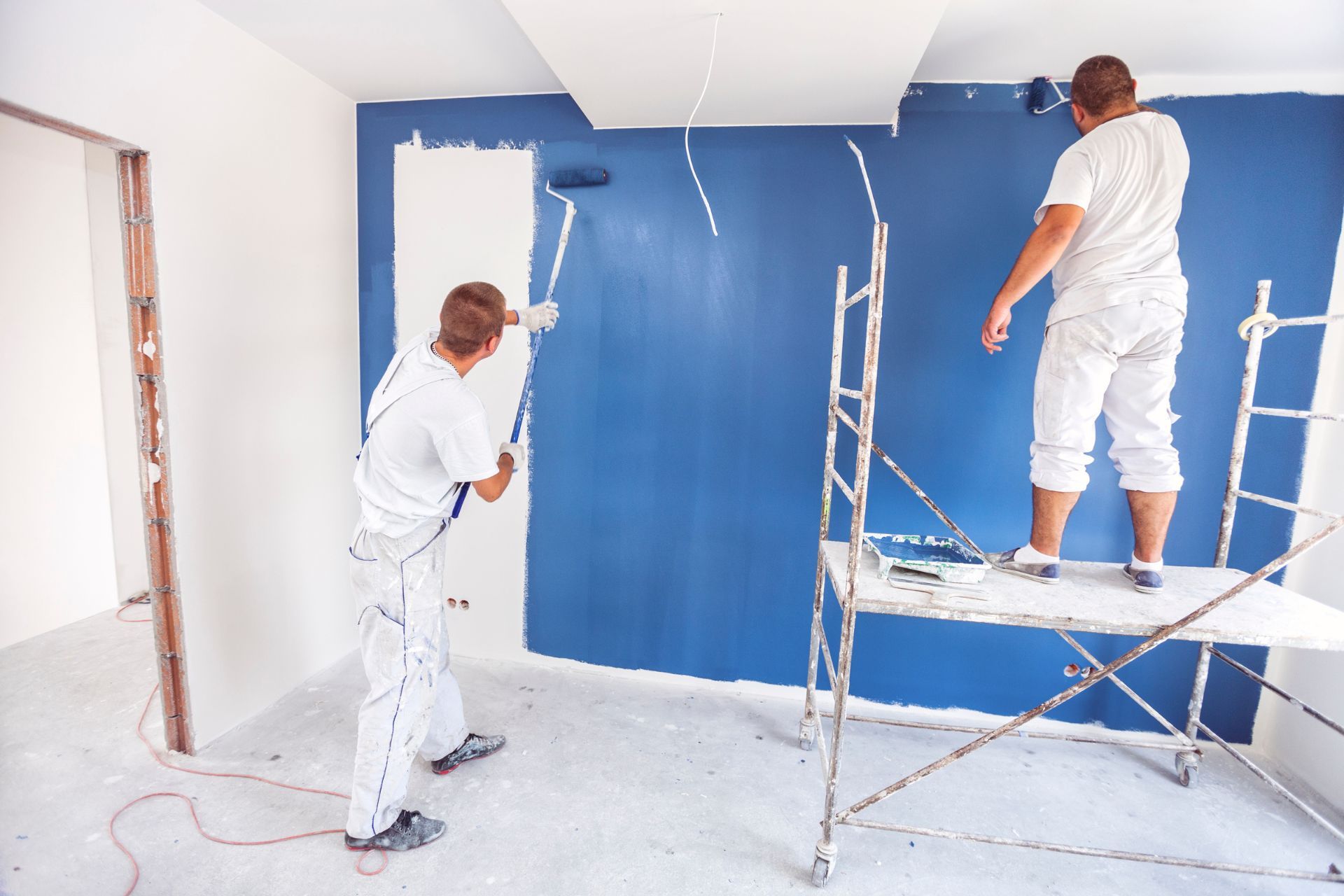
Beyond surface failures, heights and awkward spaces quickly separate DIY from pro work. When you face vaulted ceilings, stairwells, exterior peaks, or soffits over hardscapes, you need more than a ladder.
Pros bring OSHA-rated ladders, planks, and scaffolding, plus fall protection, stabilizers, and levelers that keep you safe and surfaces steady. They know how to stage a room, protect floors and fixtures, and control splatter while working overhead.
With extension poles, angle brushes, and airless tips matched to the substrate, they cut clean lines around beams, transoms, and crown without lap marks. They also handle tricky access—over stairs, tubs, and landscaping—without damaging anything.
If you hesitate at heights or can’t reach trim and fascia securely, call a painter who can. Safely and with precision.
Tight Deadlines Where Painting Services Save Time
If the clock is ticking, pros compress days of DIY into a focused, reliable schedule. You gain a crew that preps, paints, and cleans in parallel, not piecemeal.
They plan rooms, sequence coats, and build in drying windows so you’re never waiting. They arrive with ladders, sprayers, drop cloths, and backup supplies, cutting store runs and false starts.
A project manager coordinates access, protects furnishings, and keeps traffic flowing so your routine continues. Pros work off-hours and weekends, hit milestones, and adjust for weather or humidity without wasting days.
They solve surprises fast—peeling, small repairs, color corrections—so scope creep doesn’t derail your date. Instead of slipping timelines, you finish on time, with consistent coverage, tidy edges, and a space ready to use right away.
Specialty Finishes Best Left to Pros
Speed isn’t the only advantage; specialty finishes demand the touch of a pro. You might handle a simple wall, but Venetian plaster, limewash, metallics, and high-gloss enamel expose every flaw.
Pros map sheen lines, control environmental conditions, and layer products with exact open times. They know when to back-roll, tip-off, or burnish, and they sand between coats to glass-smoothness.
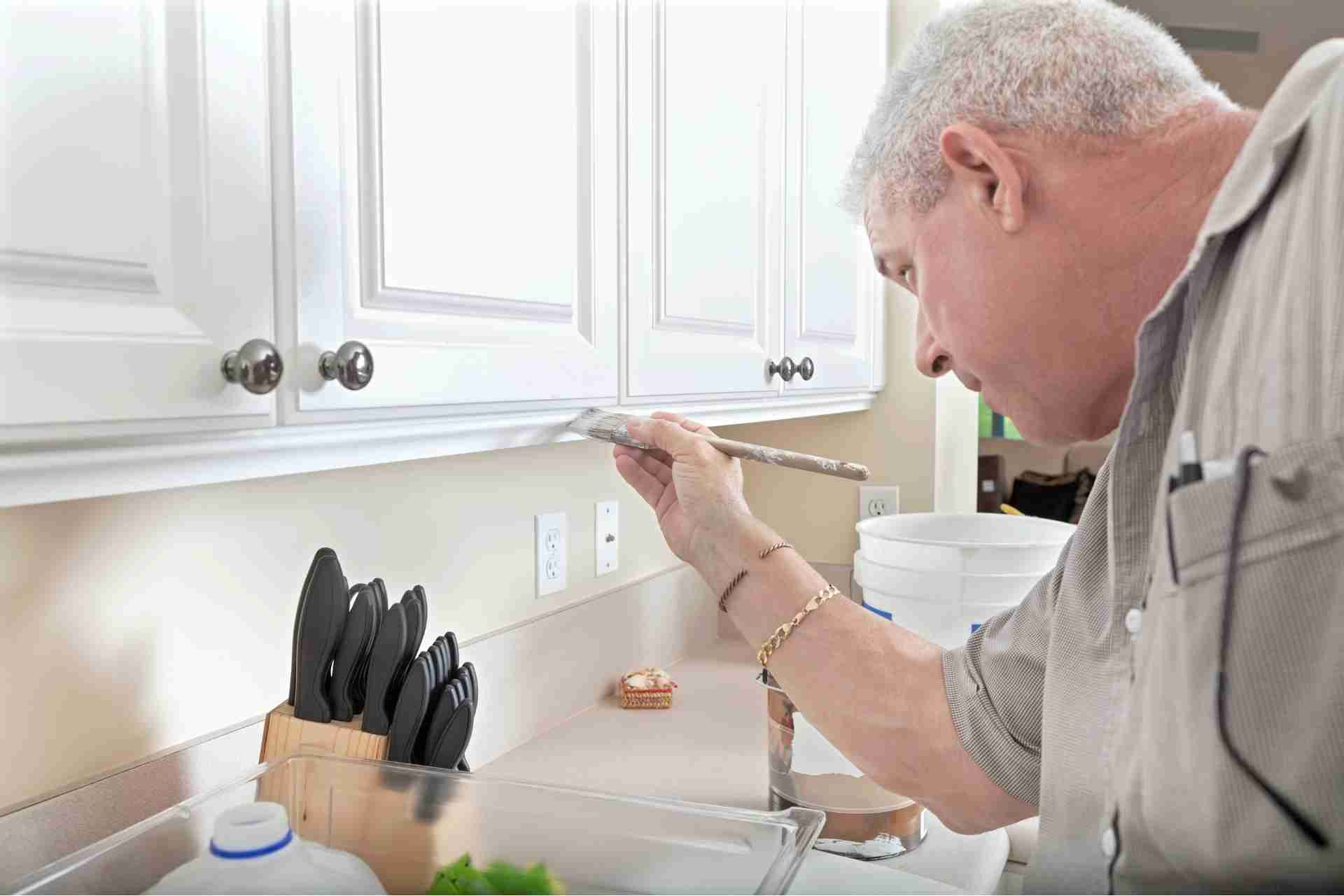
With faux bois, color glazes, or murals, they manage layout, repeat patterns, and grain direction. On cabinets, they spray catalyzed coatings, match profiles, and avoid sags and orange peel.
For concrete and garage floors, they moisture-test, patch, and install epoxy systems that actually bond. You’ll get durable depth, crisp edges, and consistent texture—and you won’t spend days fixing drips, lap marks, or failures.
And headaches.
Conclusion
You don’t have to tackle every paint job alone. If you spot peeling paint, recurring blisters, or brown stains, call a pro to fix moisture issues and damaged substrates before they spread. Pros also handle lead paint, high or hard‑to‑reach spots, and tight timelines safely and efficiently. And when you want flawless cabinets, textured walls, or specialty finishes, you’ll get durable results. Protect your home and investment—bring in professional painting services when these signs appear.