
How to Maximize Your Paint Job’s Lifespan: Expert Tips from Professional Painters
When it comes to maximizing your paint job's lifespan, there’s more to it than simply choosing a color. You need to consider the right materials, proper preparation, and even the weather. Each of these factors plays a crucial role in ensuring your paint looks great and lasts longer. So, what steps should you take to ensure your paint job stands the test of time? Let’s explore the expert tips that can help you achieve just that.
Choosing the Right Paint and Materials
When you’re ready to tackle your paint job, choosing the right paint and materials is crucial for ensuring durability and a polished finish.
Start by considering the type of paint you need: water-based paints are easy to clean and quick-drying, while oil-based paints offer a smoother finish and better durability.
Next, think about the finish—matte, satin, or glossy—based on the room's purpose and lighting.
Don’t forget about brushes and rollers; high-quality tools can make a significant difference in your application.
Finally, check for the paint’s VOC levels to ensure a safer environment.
Proper Surface Preparation Techniques
Proper surface preparation is essential for achieving a long-lasting paint job. Start by cleaning the surface thoroughly to remove dirt, grease, and old paint flakes. Use a power washer or a simple scrub with soap and water, depending on the surface's condition.
Next, inspect for any repairs needed, like filling holes or sanding rough patches. Make sure to sand the surface lightly; this helps the paint adhere better. After sanding, wipe down the surface with a damp cloth to eliminate dust.
If you’re painting wood, consider applying a primer to seal the surface. Lastly, ensure the area is dry before painting. Taking these steps will create a solid foundation for your paint job, maximizing its lifespan.
The Importance of Weather Conditions
Have you ever wondered how weather conditions can impact your paint job? The truth is, the weather plays a crucial role in how well your paint adheres and lasts.
High humidity can prevent the paint from curing properly, leading to peeling or bubbling. On the flip side, painting in extreme heat can cause the paint to dry too quickly, preventing it from leveling out and creating an uneven finish.
Ideally, aim for mild temperatures and low humidity when scheduling your paint job. Also, avoid windy days, as dust and debris can ruin your freshly painted surfaces.
Regular Maintenance and Cleaning
While you might think a fresh coat of paint is all it takes to protect your surfaces, regular maintenance and cleaning are essential to prolonging that vibrant finish.
Start by dusting and wiping down painted surfaces regularly to prevent dirt buildup that can dull the color. Use a soft cloth and mild soap solution for cleaning; avoid harsh chemicals that can strip the paint.
For exterior surfaces, check for mildew or mold and treat them promptly. Inspect your paint job for any signs of wear or damage, as early detection can save you time and effort later.
Finally, don't forget to clean your brushes and tools after use to keep them in top shape for your next project.
Knowing When to Touch Up or Repaint
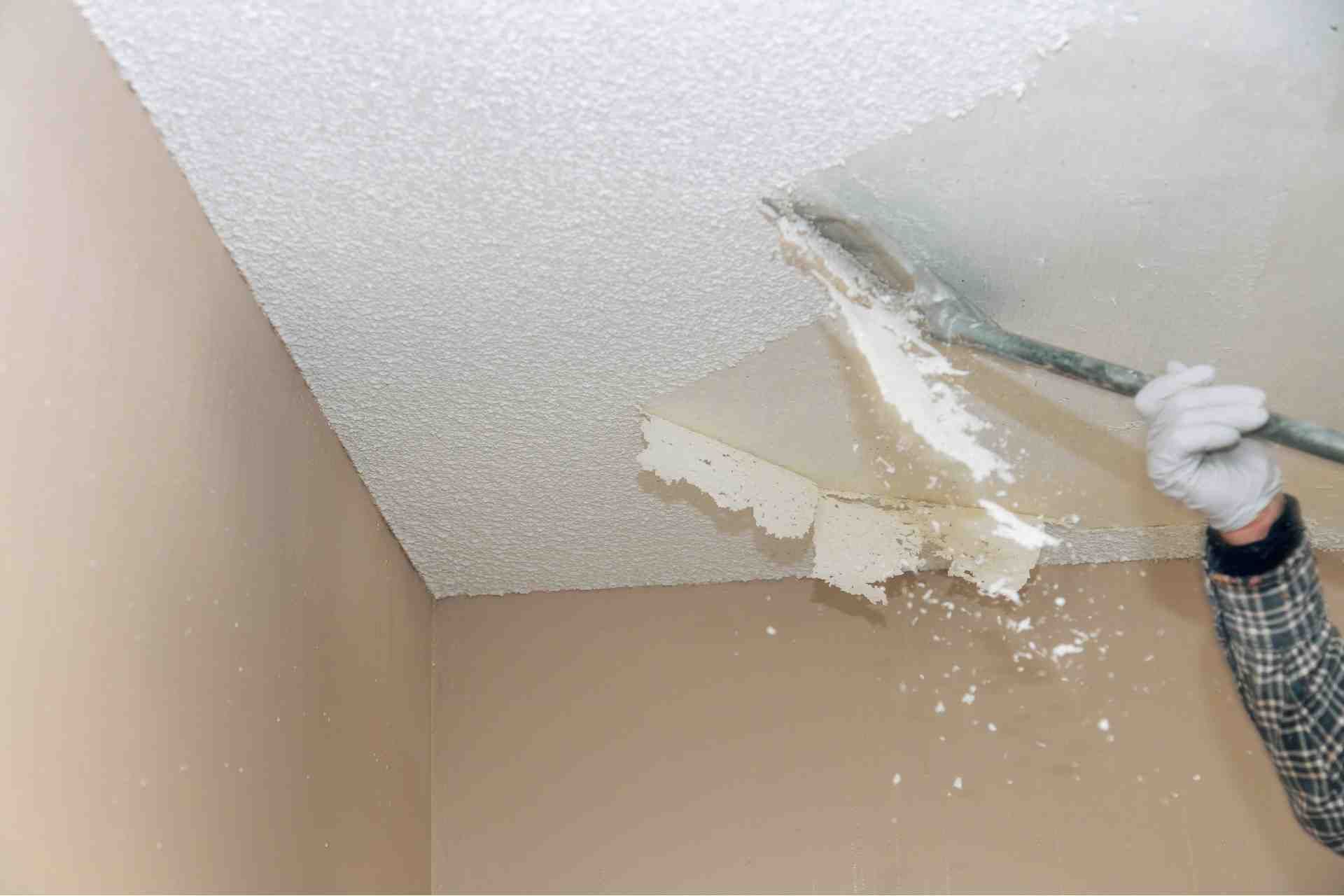
How can you tell when it’s time to touch up or completely repaint your surfaces? Start by inspecting for visible damage like chips, cracks, or peeling paint. If you notice these issues, a quick touch-up might suffice.
However, if the color has faded significantly or you see extensive wear, it’s likely time for a full repaint.
Also, consider the surface's age; if it’s been several years since your last paint job, the protective qualities may be diminished.
Seasonal changes can also impact your paint’s lifespan, so keep an eye on areas exposed to harsh weather.
When in doubt, consult a professional to assess your surfaces and determine the best course of action for maintaining a fresh, vibrant look.
Conclusion
To maximize your paint job's lifespan, remember that preparation and quality matter. Choose the right paint, prep surfaces thoroughly, and pay attention to weather conditions during application. Regular maintenance and early detection of wear can save you from bigger issues down the road. Don’t forget to schedule inspections to know when it's time for touch-ups or a full repaint. By following these expert tips, you'll ensure your paint job looks great and lasts longer.