
The Importance of Proper Surface Preparation Before Painting
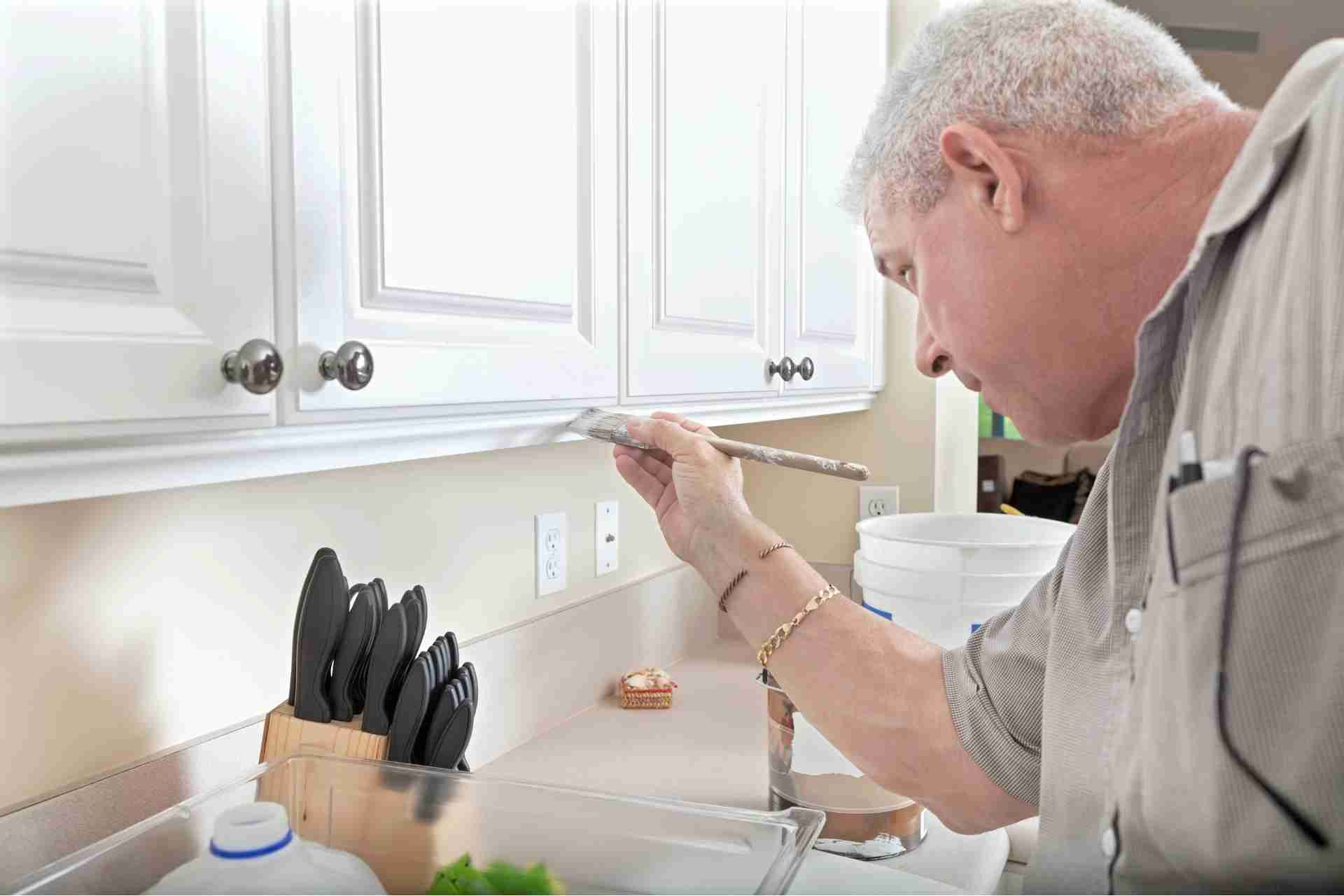
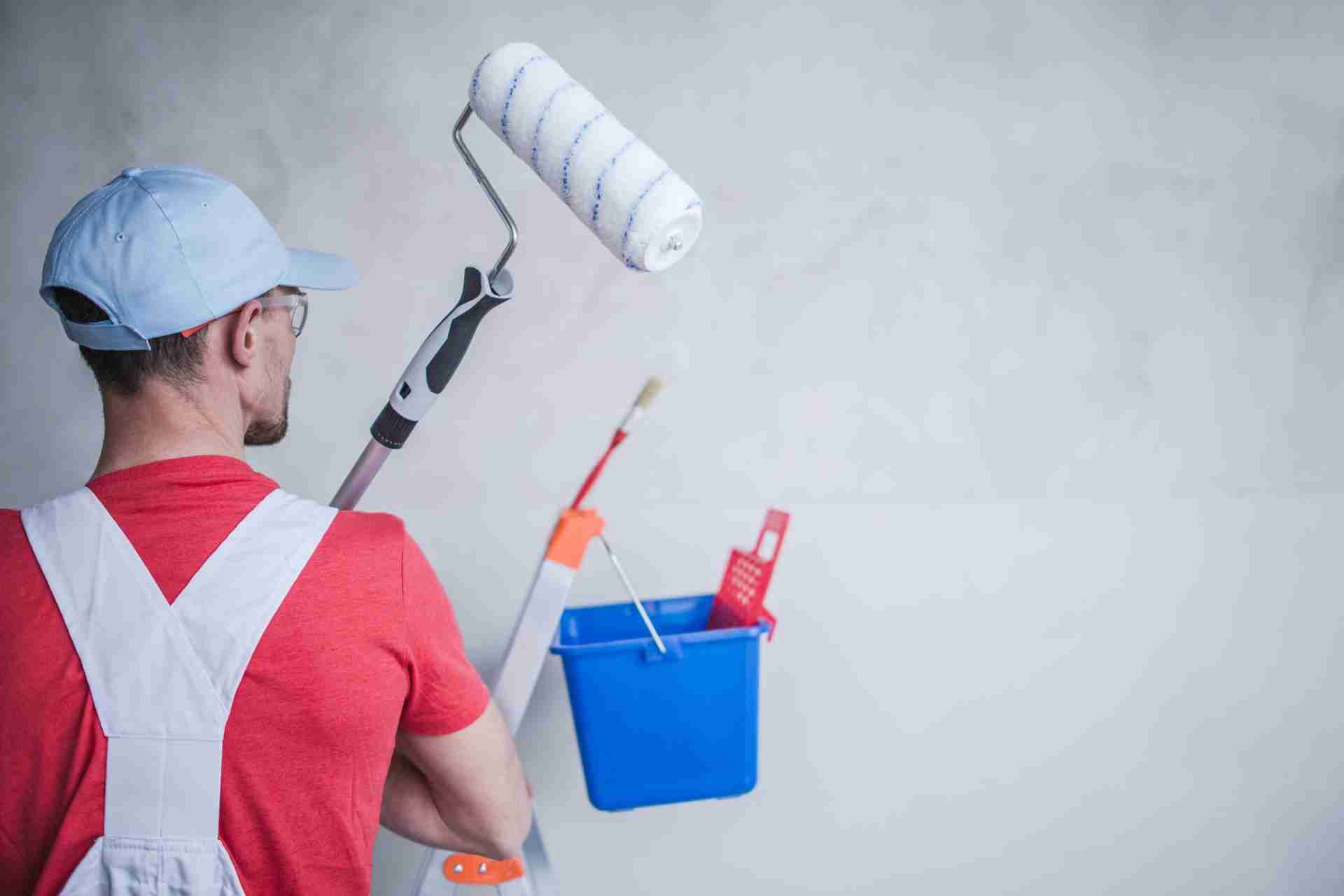
When you think about painting, surface preparation might not be the first thing that comes to mind. However, it's the foundation for your project's success. A clean and smooth surface can make all the difference in how the paint adheres and looks. Neglecting this crucial step can lead to issues like peeling and uneven texture. So, what exactly should you do to ensure your surfaces are ready? Let's explore the essential steps you need to take.
Understanding Surface Preparation
Surface preparation is the foundation of a successful paint job. Before you even think about picking up a brush or roller, you need to ensure that the surface is clean, smooth, and ready for paint.
Start by removing any dirt, dust, or grease. Use a suitable cleaner or degreaser, and don't skip this step—every little speck can affect adhesion.
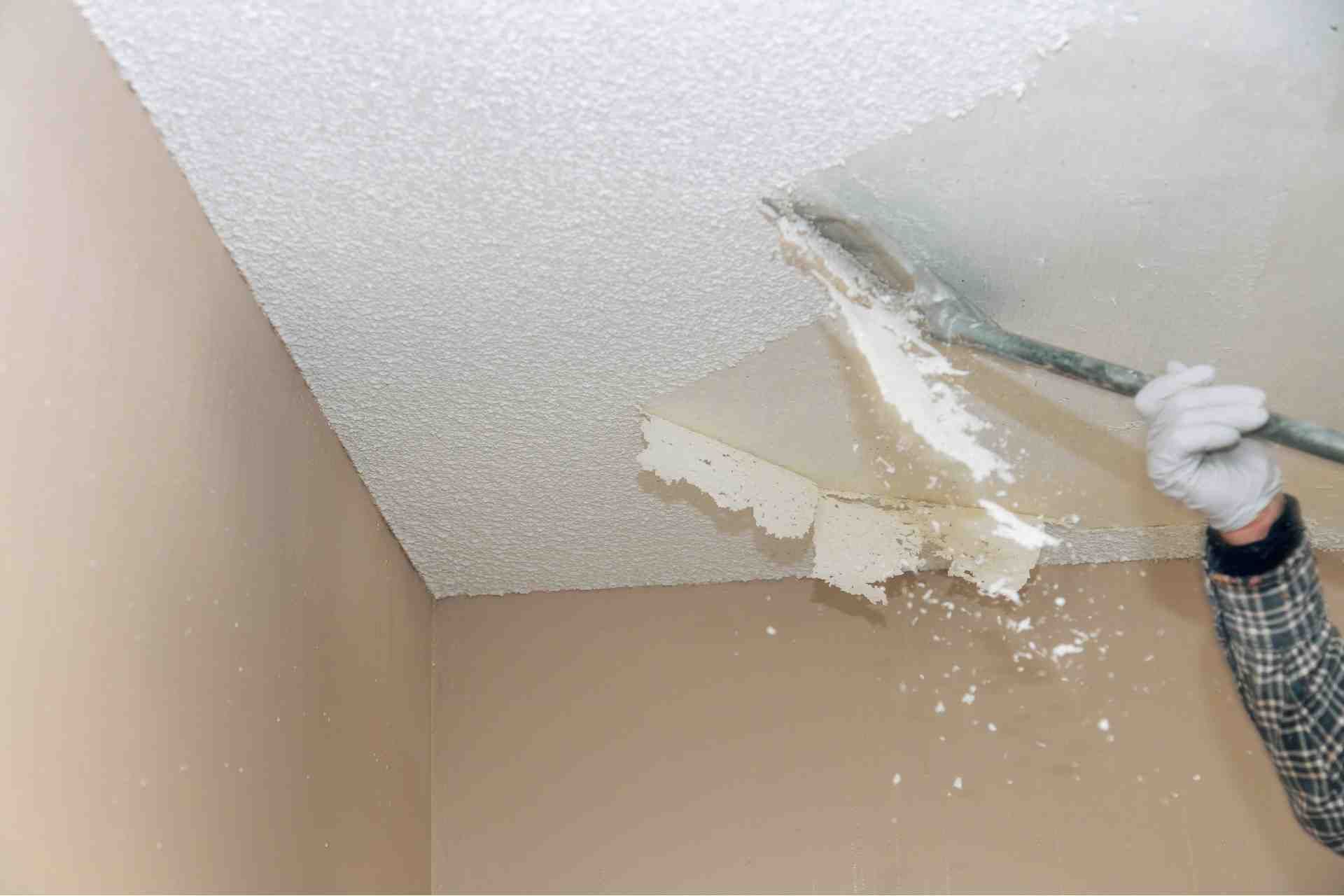
Next, sand any rough areas to create a smooth finish. If you encounter peeling paint, scrape it off and patch any holes or cracks.
Finally, consider priming the surface; it'll help the paint adhere better and provide a more even finish.
Paying attention to these details can make a world of difference in how your final project turns out.
The Benefits of Clean Surfaces
A clean surface sets the stage for a flawless paint job, bringing several key benefits that enhance both the process and the results.
First, a clean surface ensures better paint adhesion, which means your paint will stick properly and last longer. You won't have to worry about peeling or chipping down the line.
Additionally, it helps to create a uniform finish, allowing the true color and texture of your paint to shine through. You'll also save time by reducing the chances of needing touch-ups later.
Lastly, cleaning your surfaces can reveal any imperfections that need fixing, so you can address them upfront.
The Role of Sanding in Surface Preparation
Sanding transforms your surface, ensuring it's smooth and ready for paint. It removes imperfections, like bumps and scratches, which can ruin your finish.
When you sand, you also create a better grip for the paint, allowing it to adhere more effectively. Whether you're working with wood, drywall, or metal, using the right grit sandpaper is crucial; start with a coarser grit to eliminate rough spots, then switch to a finer grit for a polished finish.
Don't forget to clean up the dust afterward, as it can interfere with paint adhesion. By incorporating sanding into your preparation process, you're setting the stage for a professional-looking paint job that lasts longer and looks great.
Choosing the Right Primer
After achieving a smooth surface through sanding, selecting the right primer is key to ensuring your paint adheres well and looks great.
Consider the type of surface you're working with. For wood, use a primer that seals the grain and prevents bleed-through. If you're painting over drywall, a latex-based primer is often the best choice. For metal surfaces, opt for a rust-inhibiting primer to prevent corrosion.
Don't forget about the finish of your topcoat; choose a primer that complements it, whether it's matte, satin, or glossy.
Lastly, always check the manufacturer's recommendations for compatibility. By choosing the right primer, you're setting the stage for a flawless and long-lasting paint job.
Common Mistakes to Avoid
While preparing surfaces for painting, it's easy to overlook some common mistakes that can lead to disappointing results. One major error is skipping the cleaning step; dirt and grease can prevent paint from adhering properly.
Don't forget to sand surfaces either—if they're too smooth, paint won't stick well. Additionally, avoid applying primer and paint when temperatures are too high or low, as this can affect drying and adhesion.
It's also crucial not to rush the drying time between coats; patience pays off. Lastly, don't ignore the need for a thorough inspection—check for imperfections that need fixing.
Tools and Materials Needed for Preparation
Preparation is key to achieving a flawless paint job, and having the right tools and materials on hand makes all the difference.
Start with a good quality scraper to remove old paint or imperfections. You'll need sandpaper or a sanding block to smooth surfaces, along with a vacuum or damp cloth for dust removal.
Don't forget a putty knife for filling gaps or holes with spackle. A primer is essential for ensuring better paint adhesion. For safety, grab a pair of gloves and a mask, especially when sanding.
Finally, gather drop cloths to protect your floors and a sturdy ladder for hard-to-reach areas. With these tools ready, you'll be set to tackle your surface preparation effectively.
Step-by-Step Surface Preparation Process
To achieve a smooth and professional-looking finish, follow these essential steps for surface preparation.
First, clean the surface thoroughly to remove dirt, grease, and dust. Use a suitable cleaner and a scrub brush if needed.
Next, sand the surface to create a smooth texture and promote paint adhesion. Fill in any holes or cracks with spackling compound, then sand those areas once dry.
After that, wipe down the surface with a damp cloth to remove dust from sanding. If you're painting a glossy surface, consider applying a primer to improve the final result.
Finally, let everything dry completely before applying your paint. Following these steps ensures your paint job looks great and lasts longer!
Long-Term Effects of Proper Preparation
When you invest time in proper surface preparation, you set the stage for a paint job that not only looks fantastic but also stands the test of time.
A well-prepared surface ensures better adhesion, which means your paint won't peel or chip easily. You'll notice reduced fading and discoloration, keeping your space looking fresh for years.
Proper preparation also helps to seal out moisture, preventing mold and mildew that can damage underlying structures. Plus, you'll save money in the long run by avoiding frequent touch-ups and repaints.
Ultimately, the effort you put into preparation pays off, resulting in a durable finish that enhances the beauty and longevity of your project. That's a win-win for any painting endeavor!
Conclusion
In conclusion, taking the time for proper surface preparation is key to achieving a stunning paint job. By ensuring your surfaces are clean, smooth, and well-primed, you set the stage for better adhesion and a longer-lasting finish. Avoid common mistakes, use the right tools, and follow the step-by-step process for the best results. Remember, investing effort in preparation now will save you time and frustration later, making your painting project truly worthwhile.