
Top 5 Painting Mistakes Homeowners Make and How to Avoid Them
When it comes to painting your home, even small mistakes can lead to frustrating results. You might think you're ready to start, but skipping essential steps can compromise your hard work. From surface preparation to choosing the right tools, each decision you make matters. If you want to ensure your project turns out beautifully, it’s important to understand what pitfalls to avoid and how to set yourself up for success. Let's explore these common missteps.
Skipping Surface Preparation
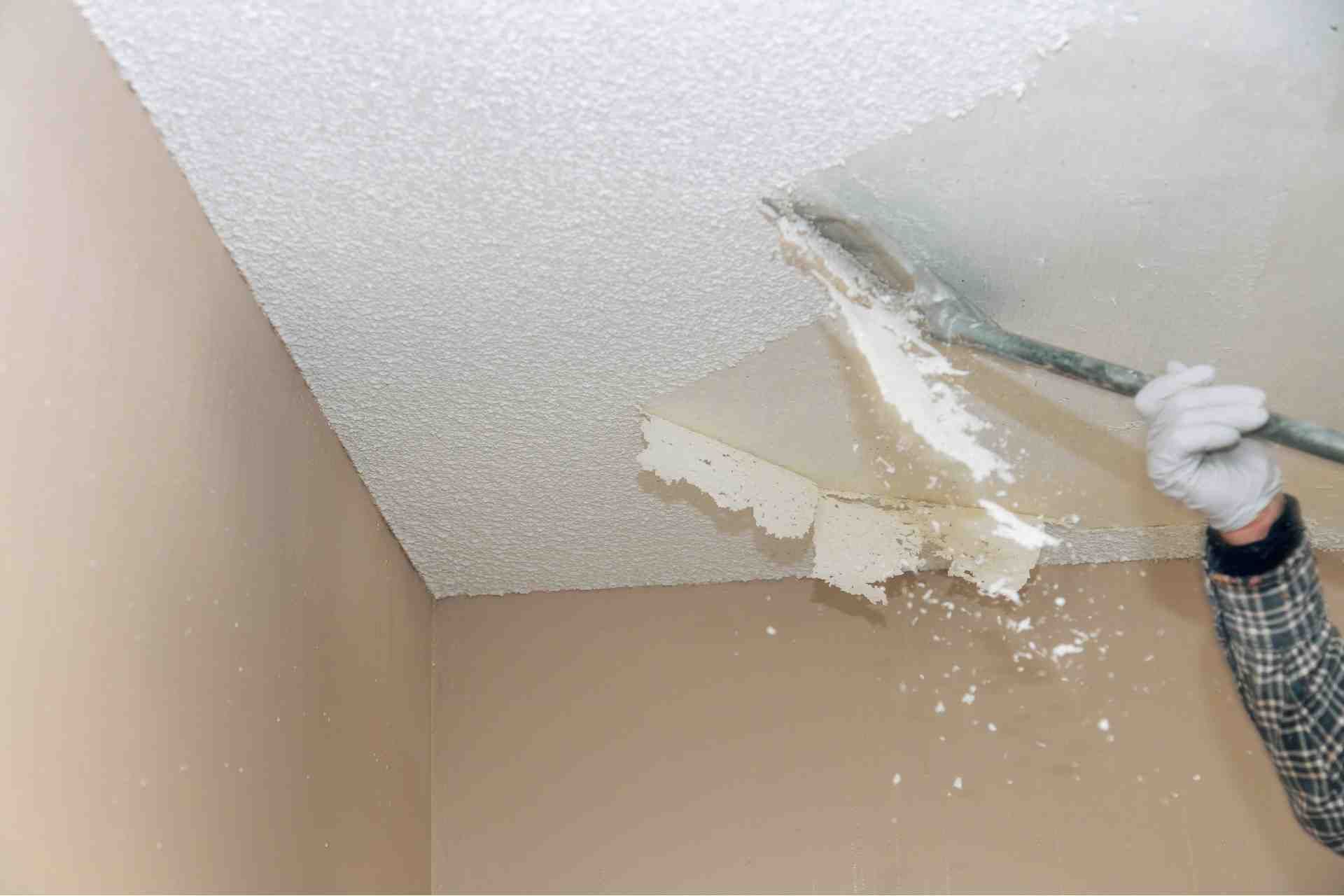
One of the biggest blunders you can make when painting is skipping surface preparation. If you don't clean, sand, or patch your walls, the paint won’t adhere properly, leading to peeling or uneven finishes.
Start by washing the surfaces to remove dust, grease, and grime. Next, fill any holes or cracks with spackle, ensuring a smooth finish. Once that’s dry, sand the area lightly for a seamless blend.
Don't forget to prime your walls if you're working with a drastic color change or painting over a glossy finish; this step enhances paint adhesion.
Choosing the Wrong Paint
When you underestimate the importance of selecting the right paint, you risk ruining your hard work and investment. Choosing the wrong type can lead to peeling, fading, or even mold growth.
First, consider the area you're painting. Is it high-moisture, like a bathroom, or a high-traffic zone, like a hallway? Each space needs a specific finish and formulation.
Next, think about color. A shade that looks great in the store may not suit your home’s lighting, so test samples on your walls first.
Also, don’t ignore the difference between oil-based and water-based paints; they each have unique benefits.
Neglecting the Right Tools
Choosing the right paint sets the foundation, but without the proper tools, your project can still fall flat.
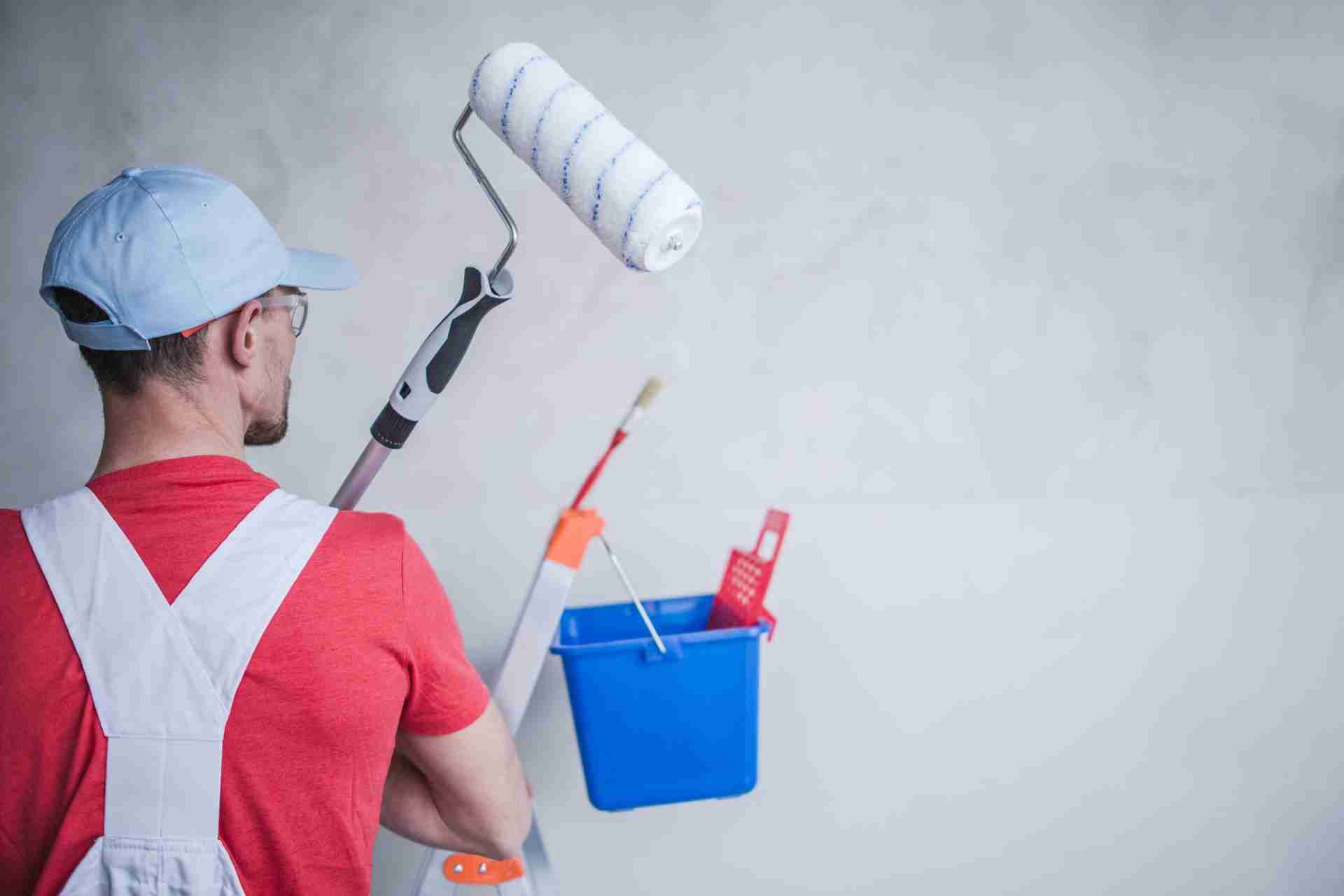
Using cheap brushes or rollers can lead to uneven finishes and wasted time. Invest in high-quality tools that suit your specific painting needs. For walls, opt for a roller with the right nap length to ensure even coverage.
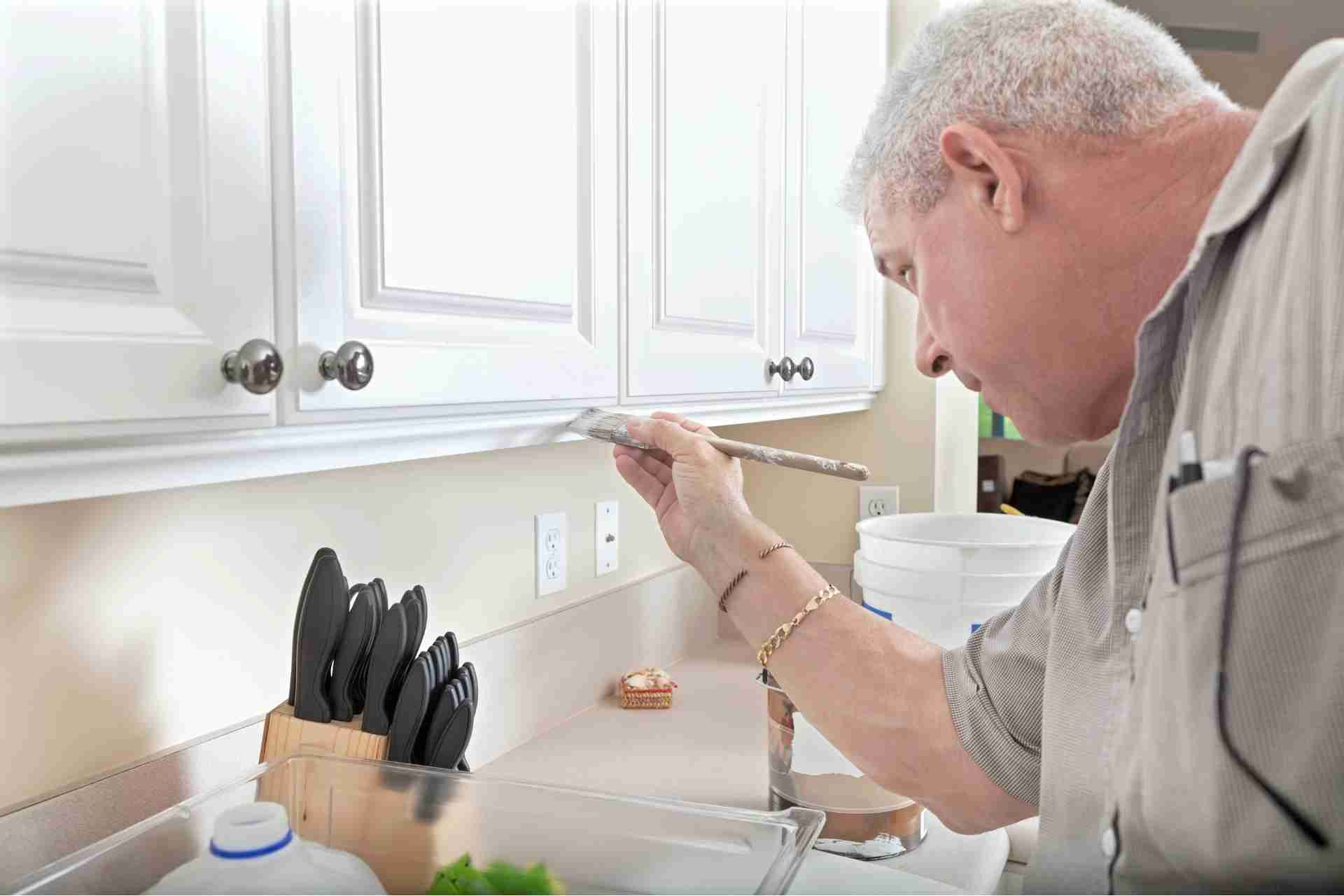
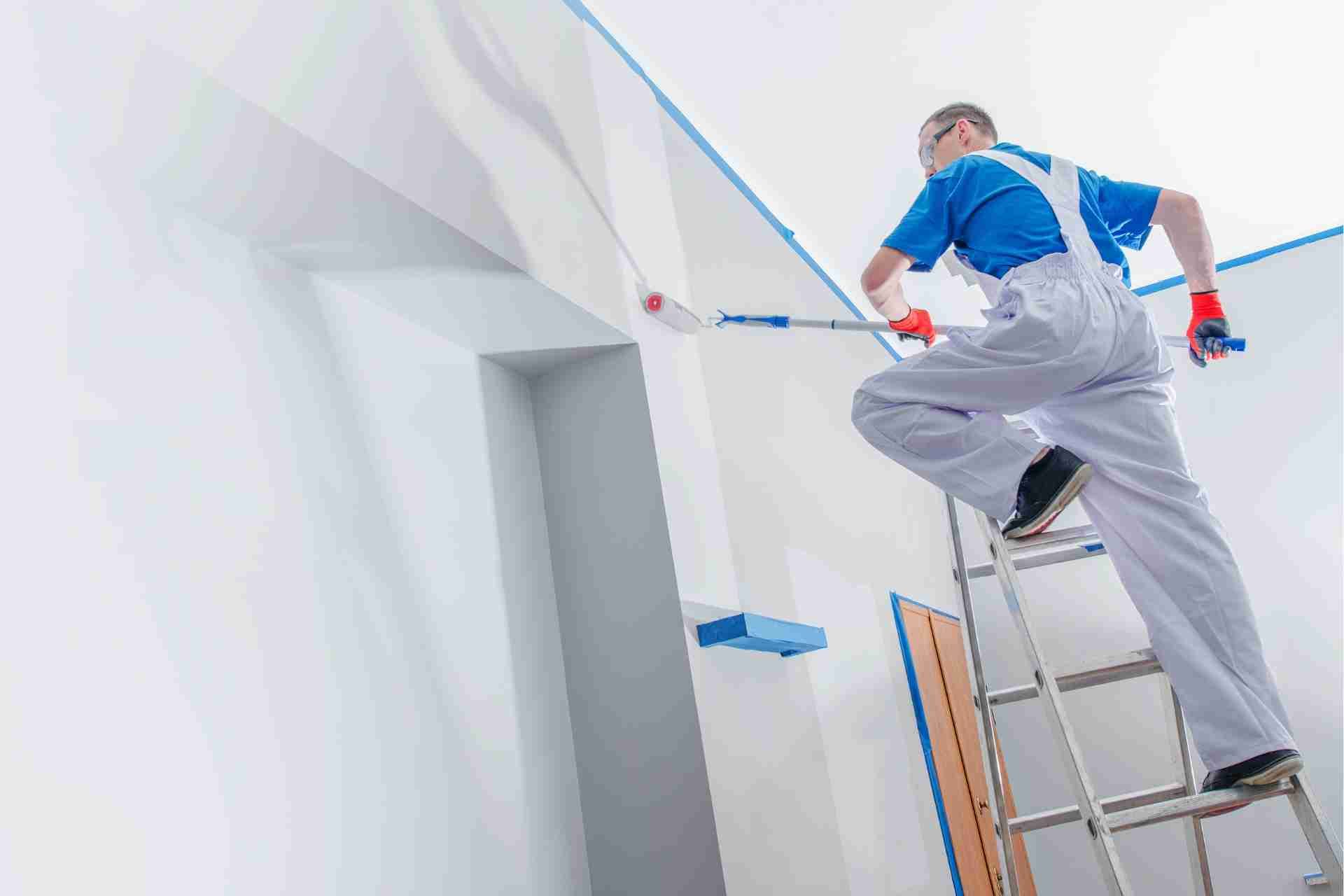
When it comes to edges and corners, a good angled brush will make all the difference. Don’t forget painter’s tape to keep your lines sharp and clean.
Additionally, having a sturdy paint tray and a drop cloth can save you from messy cleanup. With the right tools in hand, you’ll set yourself up for a smoother, more successful painting experience.
Overlooking Proper Technique
While it might seem tempting to dive right into painting without a plan, overlooking proper technique can lead to frustrating results. Skipping steps like thorough surface preparation or using the wrong brush can ruin your hard work.
For instance, if you don’t clean the walls, dirt and grease can affect paint adhesion. Likewise, not applying primer can result in uneven color and coverage.
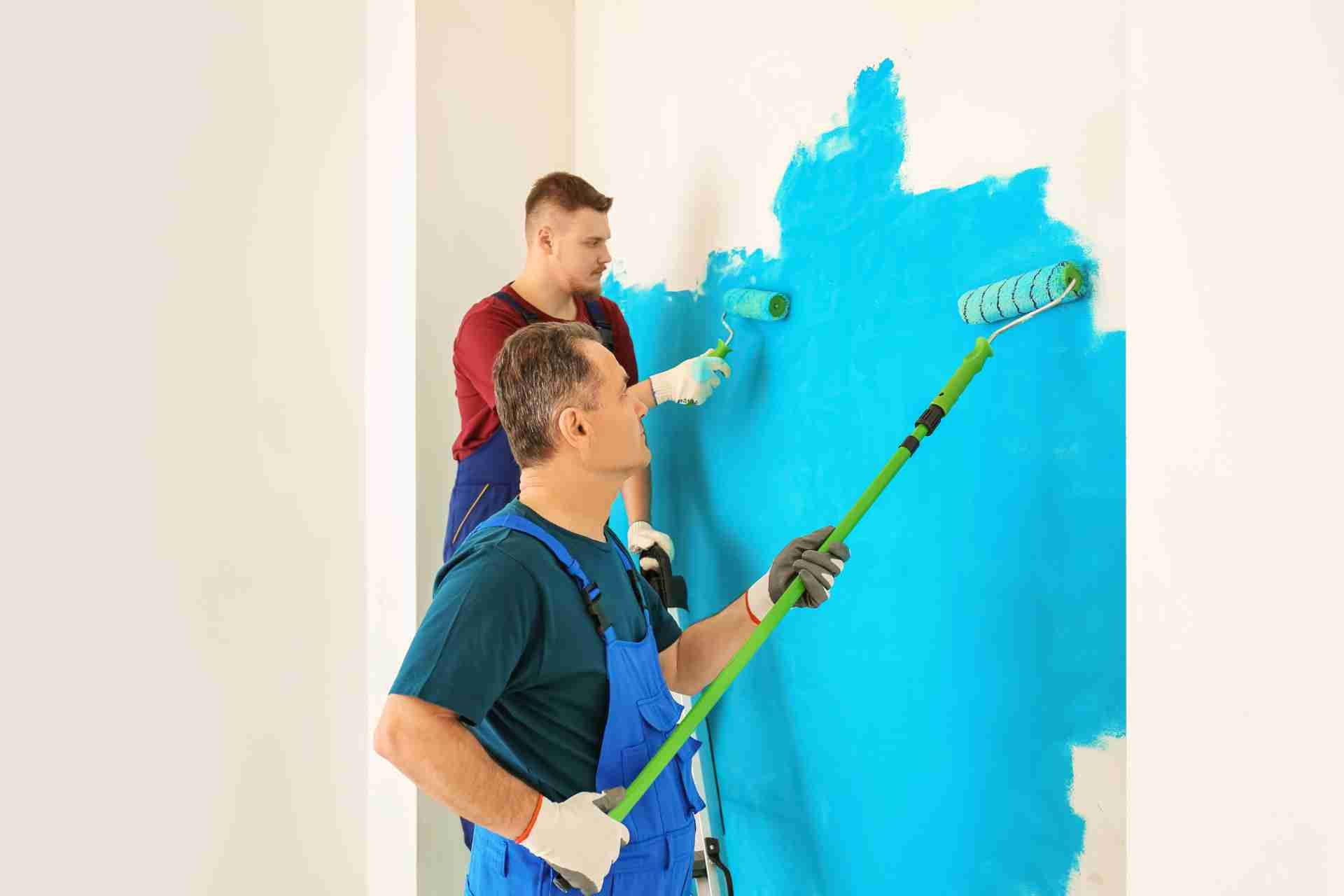
When painting, always start with even strokes and maintain a wet edge to avoid lap marks. Consider using the right brush or roller for the surface type; this makes a huge difference.
Finally, don’t rush the drying time between coats. By paying attention to these techniques, you’ll achieve a professional-looking finish that you can be proud of.
Ignoring Environmental Conditions
Although it may be easy to overlook, ignoring environmental conditions can significantly impact your painting project. Temperature and humidity levels play a crucial role in how paint adheres and dries. If it’s too hot or too cold, or if humidity is high, you risk poor adhesion and uneven finishes.
For best results, aim to paint when temperatures are between 50°F and 85°F, and humidity is below 70%.
Additionally, don’t forget about wind or direct sunlight, as these can also affect drying times and application. Always check the weather forecast before you start, and consider waiting for optimal conditions.
Conclusion
By avoiding these common painting mistakes, you can achieve a flawless finish and enhance your home's appearance. Always prep your surfaces, choose the right paint, invest in quality tools, master proper techniques, and consider environmental conditions. With a little attention to detail, you'll ensure your paint job lasts longer and looks great. So, take the time to avoid these pitfalls, and you’ll be proud of your beautiful, freshly painted space for years to come!